1. Start from the work you already do
The operators who get going fastest add drones to work they already win: façades, roofs or solar they currently clean by hand, rope or platform. Start with the service and building types you know, then grow from there.
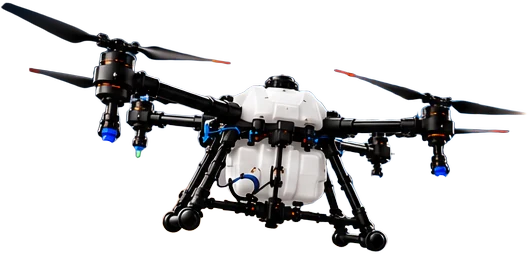
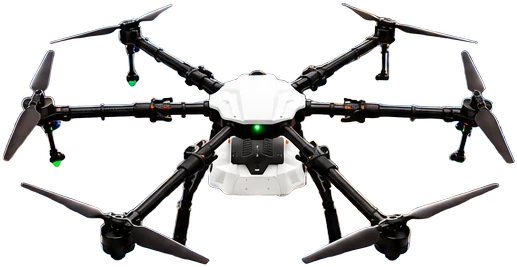
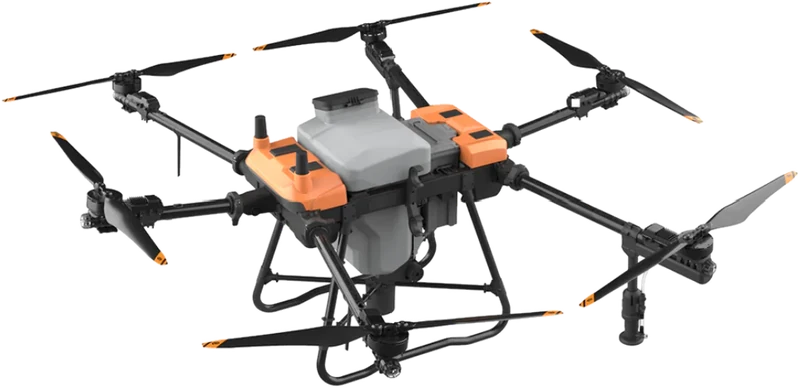
Pick the aircraft for that work, not the biggest one available. The compact VIP Wash Drone 104 suits smaller sites and tighter access; the 166 and Clean Elite Pro 40LTR suit larger, multi-level buildings and big roofs.
2. Understand the CAA rules for your aircraft
Commercial drone operations in New Zealand fall under CAA Part 101 or Part 102. The VIP Wash Drone 104 (just under 25 kg) can be flown under Part 101 on jobs that meet the Part 101 rules, such as consent from everyone you fly over. Jobs that can't meet those rules, and the heavier 166 (40 kg) and Clean Elite Pro 40LTR (99 kg), need a Part 102 unmanned aircraft operator certificate.
Pilots need a qualification too. Under Part 101, anyone flying a drone over 15 kg, which includes the 104, must pass a competency assessment with a person or organisation authorised by the CAA. Part 102 operators set pilot requirements in their exposition. Plan for this training and assessment with a CAA-approved provider before your first job.
Whichever rules apply, the certificate and compliance are the operator's. Read the CAA's guidance for your operation, or talk to a CAA-approved training or consultancy provider, before you commit.
3. Get trained and build a method
Every DCI aircraft is commissioned and supplied with one day of hands-on training, delivered at handover. Training builds pilot skill and job method on the aircraft; it is not a CAA certification and does not replace the competency assessment or qualification the rules require.
Clients will ask how the job is run. Operator Support, included with every aircraft, gives you Drone Group's SOP library for façade washing, roof treatment and solar cleaning, chemical guidance, and 90 days of remote support by phone and email through your first jobs, ending in a joint review call.
4. Put the business basics in place
Before your first paid job, check you have:
- —Insurance that covers commercial unmanned aircraft work
- —A crew of at least two: pilot, plus a ground and safety person
- —Water supply, pump and transport sorted for the sites you work on
- —Health and safety documentation and site-specific plans
- —A record of each job: product, rates, conditions and any incidents
5. Budget beyond the aircraft
The aircraft is the biggest single cost, but not the only one. Allow for batteries and charging, water handling, transport, insurance, any certification process that applies to you, and the time it takes to build experience on lower-risk sites before larger buildings.