Why use a drone on commercial roofs
Walking a commercial roof with a spray unit means fall protection, roof access, and the risk of damaging fragile roofing or skylights. A cleaning drone applies treatment from above while the crew controls the job from the ground.
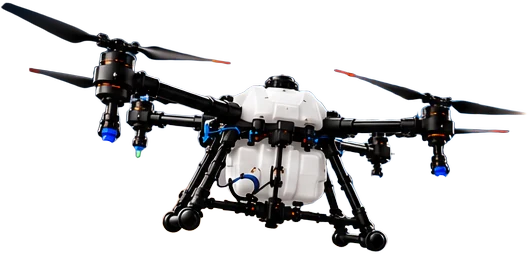
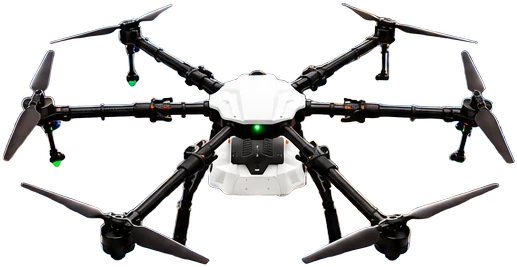
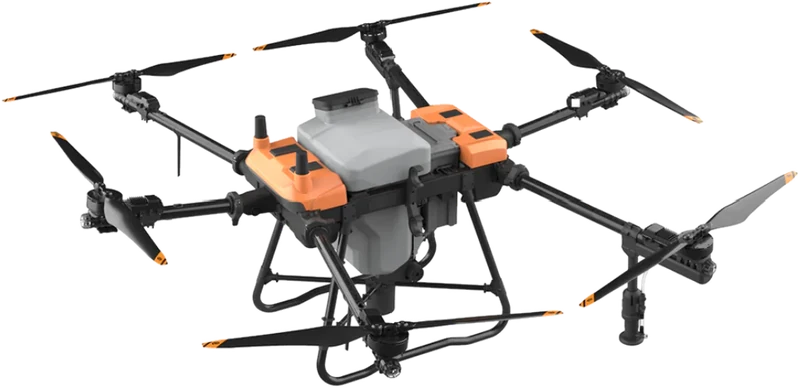
On large industrial and commercial roofs, tank size decides how much area you cover per flight. That is where the 16 L and 40 L aircraft earn their place over a compact unit.
Chemicals and compliance
Roof treatment means working with cleaning products and biocides, so the product you use matters as much as the aircraft. Before any job, check the product's approval and classification, its Safety Data Sheet, and whether any CAA rating or EPA requirements apply to how you plan to apply it. As the operator, that responsibility is yours.
Operator Support includes Drone Group's chemical guidance: which products to use, at what rates, and the application protocols that go with them.
Running a roof job well
The difference between a clean job and a complaint is usually in the planning, not the flying.
- —Confirm roof type, condition and drainage before quoting
- —Plan for drift, wind limits and run-off to gutters and stormwater
- —Protect vehicles, plant and neighbouring property
- —Record the product, rate and conditions for each job