How drone façade washing works
A cleaning drone carries a hose-fed or tank-fed high-pressure spray system up the building while the crew stays on the ground. The pilot works the façade elevation by elevation, applying cleaning solution and rinsing, while a second crew member manages the ground station, pump and site safety.
Compared with rope access or elevated work platforms, the drone removes most working-at-height exposure for the cleaning itself and cuts the set-up on each elevation. It does not remove the need for a site plan, a cordoned work area and procedures your client will want to see.
What clients ask for
Building owners and facilities managers rarely ask whether a drone can spray water. They ask how the job will be run safely, what chemicals will be used, and what happens near people, vehicles and neighbouring property.
- —A documented method: pre-start checks, exclusion zones, wind limits and an emergency plan
- —Chemical details: product, dilution, application method and run-off control
- —Your CAA operating basis for the aircraft and site (Part 101 or Part 102), including consents to fly over people and property
- —Insurance suitable for commercial unmanned aircraft work
What comes with a DCI aircraft
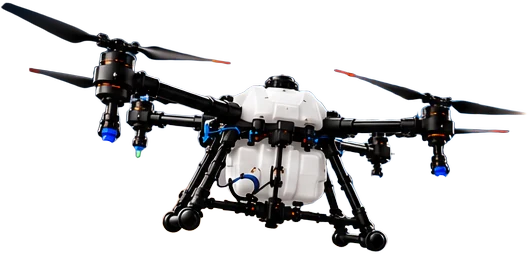
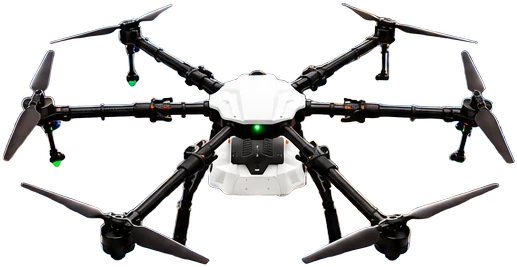
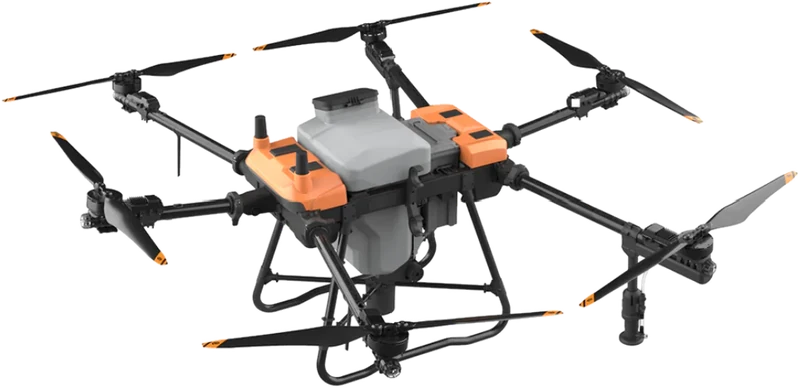
Every aircraft is airworthiness-inspected before handover, commissioned and supplied with hands-on flight training. Operator Support comes as standard: the Drone Group SOP library for façade washing, roof treatment and solar cleaning, chemical guidance, and 90 days of remote support by phone and email through your first jobs, ending in a joint review call. Every aircraft also comes with a façade cleaning lance for forward spraying, a solar cleaning lance for downward spraying and built-in centrifugal spray nozzles for roof treatment, so the same aircraft that washes the façade can clean the solar and treat the roof, plus 2 batteries and a charger.