Side by side
A general comparison for commercial façade washing. Every site is different, and the right method depends on the building, the access and the work.
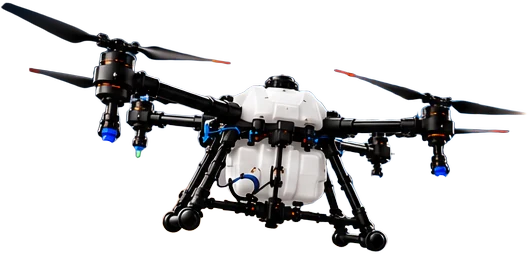
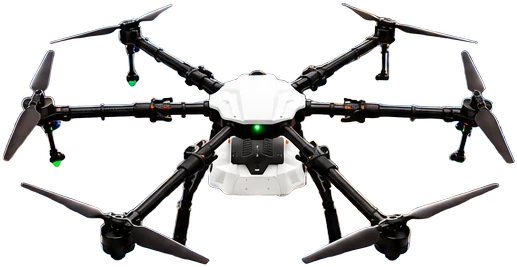
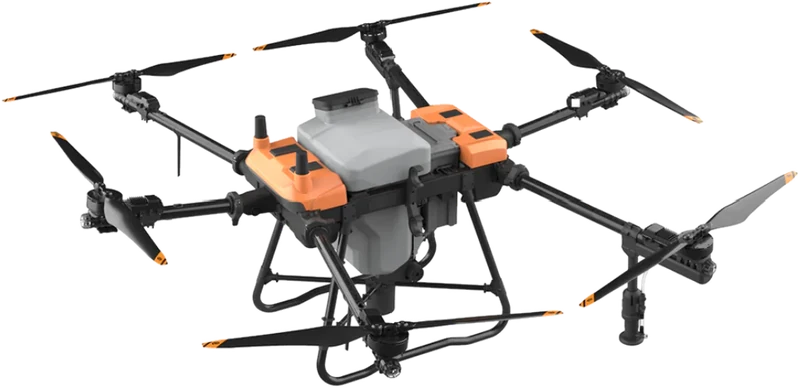
| Cleaning drone | Rope access | Elevated work platform (EWP) | |
|---|---|---|---|
| Working at height | Crew stays on the ground for the cleaning itself. | Technicians work suspended on the façade. | Operators work in a basket or platform at height. |
| Set-up on each elevation | Move the ground station and hose; no anchors or rigging. | Rig anchors and ropes from the roof for each drop. | Position the machine; needs firm, level ground and clearance. |
| Ground footprint | A cordoned work area under and around the flight path. | Exclusion zone at the base of each drop. | Machine footprint plus exclusion zone; may need a road or footpath closure. |
| Reach | Limited by the aircraft, hose, rules and site; Part 101 caps height at 120 m. | Full building height where anchors allow. | Limited by the machine's working height and outreach. |
| Detail work | Spray washing and treatment; not hand-detailing or repairs. | Hand cleaning, detailing, inspection and minor repairs on the same drop. | Hand cleaning and repairs within reach of the platform. |
| Weather limits | Wind and rain limits for the aircraft. | Wind limits for suspended work. | Wind limits for the machine. |
| Rules and approvals | CAA Part 101 or Part 102, plus consents to fly over people and property. Pilots of drones over 15 kg need a CAA-authorised competency assessment. | Rope access training and certification, and height-safety procedures. | EWP operator training and site traffic management where needed. |
| Crew | Pilot plus a ground and safety person, at minimum. | At least two technicians, with rescue cover. | Machine operator, often with a spotter. |
Where a drone fits
For washing glazing and cladding, a drone can cover a lot of façade without putting the crew at height, and with less set-up between elevations. That makes it a strong fit for regular washes on mid-rise commercial buildings, roofs and canopies, and for façades that are slow to rig.
It doesn't replace everything. Hand-detailing, stubborn staining, repairs, and some inspection work still need rope access or a platform. Many operators run drones alongside their existing access methods rather than instead of them.
Questions to ask before choosing a method
- —Can you get consent from everyone below the flight path, or does the site need Part 102?
- —Is the job a wash, or does it need hand-detailing and repairs?
- —What does the client need to see: method statement, chemical details, insurance?
- —Is there space and firm ground for an EWP, or anchor points for rope access?
- —What are the wind, run-off and public-safety constraints on the site?